Indonesia Visa for US Citizens: Bali Guide (2026)
Indonesia visa for US citizens is usually either a short-stay Visa on Arrival (VoA) or a pre-arranged e-visa, depending on how long and why you are visiting. For Bali specifically, most Americans can just show their US passport at the airport and buy a VoA, then extend it once if needed.
As of 2026, Indonesia is welcoming US citizens back in large numbers. The rules are much friendlier than they were a few years ago, but there are still catches: passport validity, the 30‑day vs 60‑day trap, and confusing names for the different visa types.
This guide focuses on the practical side of a Bali visa for US citizens: how to enter, how long you can stay, what to do if you want to retire, work remotely or try a longer life test in Bali, and how much to budget.
—
## Quick definition: do US citizens need a visa for Indonesia?
Yes. US citizens do need a visa for Indonesia, including Bali.
For short trips (up to 30 days), most Americans use the paid Visa on Arrival (VoA) or its online version (e-VoA). For longer or repeat stays, you use one of several e-visas that you apply for before flying.
You cannot use the old “free entry stamp” for tourism anymore; that was removed.
—
## Core entry rules for Americans (2026)
### Passport validity and blank pages
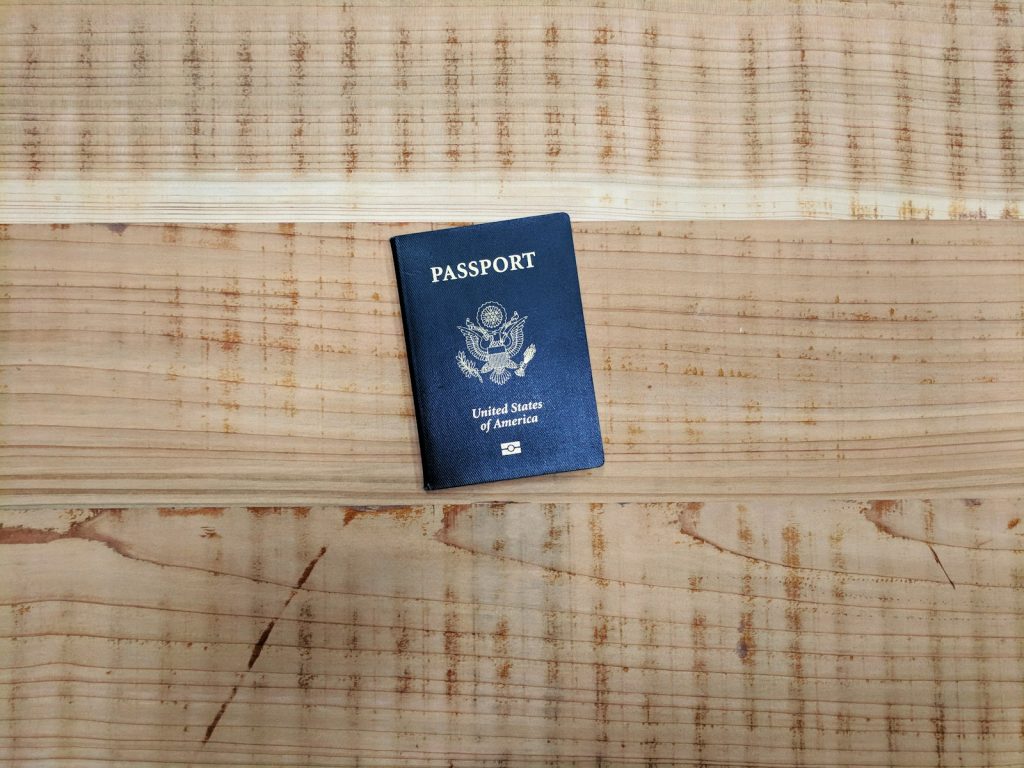
For a US passport Indonesia visa check at the border, officers apply three main rules:
– Passport must be valid **at least 6 months** on the day you enter Indonesia
– You need **at least 1–2 blank pages** for stamps/stickers (1 is often enough in practice; 2 is safer)
– Your passport must be **in good condition** (no missing chunks, water damage, or detached photo page)
If your passport has 5 months left, airline check‑in can refuse boarding. They are strict because they get fined if they fly you in with an invalid document.
### Return ticket requirement
All short-stay visas for Americans require:
– A **return ticket** OR
– An **onward ticket** out of Indonesia within your allowed stay
This can be:
– A flight out of Bali (DPS) to another country
– A ferry booking to Singapore or Malaysia
– A ticket from Jakarta to your home country
Officers mostly check that your exit date is within your visa’s validity. They rarely ask for hotel bookings unless something looks suspicious, but it can help to have your first few nights confirmed.
### Immigration questions at the desk
Typical questions for US citizens arriving in Bali:
– “First time in Indonesia?”
– “How long will you stay?”
– “Where will you stay?”
– “Do you work in Indonesia?” (The expected answer for tourists/digital nomads is *no*; remote work for foreign companies is a separate longer-stay issue, not a border question.)
Be clear, relaxed, and consistent with your visa type.
—
## Visa on Arrival (VoA) for US citizens
### What is the VoA?
The Visa on Arrival is a **paid short-stay visa** that you buy at the airport or online. It is the standard visa for Bali from US for holiday, family visits, and short business meetings.
Key points for Americans:
– **Eligible**: US citizens are eligible for VoA
– **Single-entry** only
– **Stay**: up to **30 days** initially
– **Extendable once** for another **30 days**
– **Purpose**: tourism, family visit, some business activities (meetings, conferences, sourcing, etc., but not getting paid locally)
### Where you can get VoA
You can get VoA at major entry points including:
– Bali (Ngurah Rai / Denpasar – DPS)
– Jakarta (Soekarno-Hatta – CGK)
– Several other international airports and some seaports
If you fly from the US via Singapore, Doha, Tokyo, etc., and land first in Jakarta or Bali, you buy the VoA **at that first Indonesian airport**.
### How much does VoA cost for US citizens?
Official VoA fee is charged in Indonesian Rupiah and converted to USD by the card/bank rate. Based on official pricing and recent card conversions (last verified June 2026), you should expect:
– **Around USD 35–40** per person for 30 days
Some airports let you pay by:
– Credit/debit card (Visa, MasterCard are most common)
– Cash (IDR, and in some terminals USD or other major currencies at a fixed internal rate)
Card is usually easier for Americans, but have a bit of cash ready in case a machine is offline.
### How long is VoA valid?
This is where many trips accidentally go over.
– VoA is valid for **30 calendar days**, **counting the day you arrive** as day 1
– It is **not** a month in the calendar sense
Example:
– You land in Bali on **1 July**
– Day 1 = 1 July
– Your 30th day = **30 July**
– You must leave **on or before 30 July** unless you extend
Staying even one day over can lead to an overstay fine.
### Extending a VoA to 60 days
You can extend the VoA **once**, by another 30 days.
Ways to extend:
1. **On your own at immigration**
– You visit the local immigration office (in Bali, typically in Jimbaran, Denpasar, or Singaraja depending on where you stay)
– Usually **3 visits** needed: file, fingerprints/photo, pick-up
– You pay the extension fee at a designated bank counter or via online payment channel
– Expect queues and some waiting
2. **Via a visa agency / concierge**
– You hand over your passport and sign a power of attorney
– Agency coordinates with immigration on your behalf
– You may only need to go once for biometrics (depending on current procedures)
– Service fee on top of official visa cost
Combined (official + service), Americans usually budget:
– Roughly **USD 85–130** for a VoA **extension** through an agency (last verified June 2026; depends on location, policy tweaks, and service level)
If you want help sorting an extension or timing your stay so you don’t overstay, you can reach our vetted team through plan your trip — WhatsApp guidance is available once you get in touch.
—
## e-VoA: buying your visa online before you fly
### What is the e-VoA?
The e-VoA is the **online version of the Visa on Arrival**. Same rules, same duration, same extension options — you just buy it before you travel.
Benefits for Americans:
– You skip the VoA payment queue at Bali or Jakarta
– You have proof of entry permission before boarding
– Cleaner paper trail if airlines are nervous about documents
### How to apply for e-VoA
The Indonesian government runs an English-language e-visa portal (official links change sometimes; always check from a trusted .go.id source or via our latest links). Process for a US passport Indonesia visa via e-VoA typically involves:
1. Create an account
2. Fill in personal details from your US passport
3. Upload a passport scan and photo
4. Submit arrival airport, date, and contact details
5. Pay by card online
6. Receive an electronic confirmation you print or save
Last approved e-VoA is normally valid for entry within a defined period (usually 90 days from issuance, but double‑check at application time).
### Costs and timing
Government fee matches the VoA, so you should expect:
– **Around USD 35–40** visa fee, plus
– Possible **small card / bank FX fees**
Processing for US citizens is often fast, from “minutes to 3 working days” in practice. Apply at least **a week before flying** to leave room for any hiccups.
—
## Other short-stay visa options for Americans
If you know 60 days will not be enough, or you want a less rushed Bali base, you may skip VoA entirely and apply for a longer e-visa first.
### Single-entry 60-day visit visas
These are commonly used for:
– Longer tourism stays
– Those testing Bali as a potential long-stay base
– Remote workers who need more than 60 days but plan to do a visa run
Key points:
– Typically **60 days from entry** (not always extendable; rules can switch – verify just before applying)
– Must be **approved before you fly**
– Often requires:
– Passport scan
– Basic personal data
– Travel plan (first accommodation, rough dates)
– Online payment
Total cost (visa fee + agency support if you use one) usually works out higher than VoA plus extension, but can be smoother for those who dislike queuing at immigration.
Expect an all‑in range of roughly **USD 120–200** per person via a service, depending on policy at the time and support level (last verified June 2026).
### Short-stay multiple-entry visas
More niche for US tourists, but useful if you:
– Hop in and out of Bali several times in a year
– Have business partners in Indonesia
These often allow multiple entries over 6–12 months, with each stay capped at 60 or 90 days. Costs and requirements vary more — these are better handled with tailored guidance.
If you’re juggling several trips or splitting time between Bali and other parts of Asia, reach out through plan your trip for a custom plan and WhatsApp support.
—
## Comparing main visa options for US citizens
Below is a simplified comparison for an American visa Bali stay of **up to a few months**. Rules can shift, so treat this as a snapshot, not legal advice.
| Visa type | How to get it | Max stay per entry | Extendable? | Typical use for US citizens |
|---|---|---|---|---|
| Visa on Arrival (VoA) | Pay at airport/port on arrival | 30 days | Yes, once to 60 days total | Standard Bali holiday, short visit |
| e-VoA | Apply and pay online before flight | 30 days | Yes, once to 60 days total | Avoid queues, have proof before boarding |
| 60-day visit e-visa | e-visa before flight via portal/agency | 60 days | Rules change; sometimes extendable | Slow travel, early-stage long-stay experiment |
| Longer-stay digital nomad / second home / retirement visas | Pre-arranged e-visa with more documents and higher fees | 6–365+ days depending on category | Often yes, with renewals | Remote workers, second-home owners, retirees aiming for years not weeks |
—
## Long-stay paths for US citizens: beyond 60 days
The standard tourist-style visas cap each stay at **60 days** (VoA + extension) or sometimes 60 days via a visit e-visa. If you want to actually live in Bali most of the year, you need a different route.
Below is a broad overview of what’s on the table for a bali visa for us citizens who want more than “just a vacation”. Exact names and technical codes shift periodically; we track those in detail inside our concierge work.
### 1. Digital nomad / remote-work style visas
These are aimed at:
– Remote employees of US or international companies
– Freelancers serving foreign clients
– Online business owners whose revenue is offshore
Typical characteristics:
– **Stay**: from **6 months up to several years**, depending on program and renewals
– **Income proof**: Stable regular income or savings above a set minimum
– **No local employment**: You cannot take an Indonesian job or be paid in IDR salary under these visas
For Americans, they are appealing because they offer:
– Longer, more stable stay
– Less visa-run stress
– A clearer legal framework than “tourist visa + laptop at a cafe”
Total costs (government fees + professional service) often land in the **mid‑hundreds to low‑thousands of USD per person** (last verified June 2026). That’s a wide range because the categories, durations, and support levels differ.
### 2. Second-home style visas
Designed for wealthier visitors who want Indonesia as a base without working locally. Good for:
– Those holding significant funds / assets
– People buying or holding long-lease property arrangements (within legal structures)
– US citizens who want to spend much of the year in Bali but not necessarily retire fully
Common features:
– Longer validity (often several years)
– Higher financial thresholds (proof of funds or assets)
– Permission to bring certain family members as dependents
These have **higher costs** than tourist-type visas but replace constant visa runs and extensions with multi-year stability. Total setup costs including support can reach **low to mid‑thousands of USD** (last verified June 2026).
### 3. Retirement-style visas
For US citizens aged **over the retirement age threshold** (Indonesia sets a specific minimum age), these visas are intended for:
– Long-term non-working retirees
– People who can show stable pension or regular income
– Those willing to rent long-term accommodation and secure local insurance
Characteristics commonly include:
– Annual or multi-year stay rights
– Restrictions on working in Indonesia
– Requirements around local accommodation and support
Total cost will involve:
– Government fees
– Local sponsor / agent fees
– Documentation support
Expect a **mid‑hundreds to low‑thousands USD** annualized cost structure depending on exact route (last verified June 2026).
Retirement options are one of our core specialties. If you’re mapping out Social Security dates, insurance, and Bali timelines, we can lay out scenarios in plain English — start via plan your trip and we’ll move to WhatsApp after your initial details.
—
## Common pitfalls for US citizens
### Overstaying by “one or two days”
If you stay longer than your visa or stay permit allows, immigration charges a **daily overstay fine** in Rupiah. Rules and fine amounts have changed over time, and they can change again; by mid‑2020s, they were significant enough that “just one extra day” became expensive.
More serious overstays can lead to:
– Interviews
– Possible detention
– Deportation and bans for repeat or egregious cases
To avoid trouble:
– Count **days**, not months
– Set a reminder on your phone a week before expiry
– Allow a buffer if you are flying out of smaller airports with fewer flight options
### Confusing “days” vs “visa validity”
Two different concepts operate:
– **Visa validity**: the period in which you can **enter** Indonesia
– **Stay permit**: how long you can **stay after entry**
For example, a visa might be valid 90 days to enter, but your stay is still only 30 or 60 days from your entry date.
### Working locally on the wrong visa
A Bali visa for US citizens permitting **tourism or remote foreign work** is not the same as a **work visa**. Local work — e.g., bartending, in-person teaching, photography with Indonesian clients — typically requires a **proper work permit (IMTA) and relevant stay visa** sponsored by an Indonesian company.
Enforcement is uneven, but crackdowns do happen. Immigration does check social media campaigns, websites, and complaints. If you plan on doing location-based work in Bali, you need a proper legal structure, not just a tourist stamp.
—
## Practical entry tips for American travelers
### Before you fly
– Check **passport validity**: renew in the US if under 1 year remaining
– Buy a **return or onward ticket** within your expected visa limit
– Decide:
– Short trip (under 30 days): VoA or e-VoA
– Up to 60 days: VoA + extension, e-VoA + extension, or 60-day e-visa
– Longer: digital nomad / second-home / retirement route
If you’re unsure, we can map out choices with cost and paperwork detail: head to plan your trip.
### Landing in Bali (Denpasar)
For a typical US tourist on e-VoA or VoA:
1. **Disembark & walk to immigration**
– Follow “Visa on Arrival / e-VoA / Foreign Passport” signs
2. **VoA payment (if you didn’t buy e-VoA)**
– Join VoA counter line
– Pay by card or cash
– Receive a receipt or visa slip
3. **Immigration counter**
– Present passport + VoA slip or e-VoA printout/QR
– Answer simple questions briefly
– They stamp your passport with an entry stamp that shows your entry date
4. **Baggage & customs**
– Collect bags, submit customs declaration (often online in advance at major airports)
Keep your boarding pass and e-VoA receipt until after you pass immigration, just in case anyone asks.
—
## How Bali Visa Application can help US citizens
Bali Visa Application is an independent Indonesia & Bali visa intelligence guide and concierge. Our work is built on three pillars:
1. **Clear rules translated into plain English**
2. **Honest USD price ranges** based on real, current data (last verified June 2026)
3. **Vetted local partners** for when you choose to apply
No one can pay to change what we publish; if you proceed with our partner they may pay us a referral fee at no extra cost to you.
Ways we help US citizens:
– Choosing the right path: VoA vs 60-day e-visa vs long-stay
– Cost planning in USD for stays from 1 week to several years
– Handling paperwork and timing so you minimize immigration office visits
– Integrating visa choices with your wider premium Bali trip plans (school scouting, property viewings, wellness stays, surf, etc.)
If you want that kind of joined-up planning, start with our short intake at plan your trip — we shift to WhatsApp after we see what you’re trying to do.
—
## FAQs: Indonesia visa for US citizens
Do US citizens need a visa for Indonesia if staying less than 30 days?
Yes. The old free entry was removed. For up to 30 days, most US citizens use the paid Visa on Arrival (VoA) or e-VoA, which you buy at the airport or online before flying.
How long can a US citizen stay in Bali without doing a visa run?
With VoA or e-VoA, you can stay up to 30 days and extend once for another 30 days, so 60 days total. For longer stays without a visa run, you need a different pre-arranged e-visa, such as a 60-day visit visa or a long-stay category like digital nomad, second-home, or retirement.
Can I work remotely on a tourist-style visa in Bali as a US citizen?
Remote work for a foreign employer usually happens under visit-type visas in practice, but these visas do not permit you to take local employment or be paid by Indonesian companies. For longer remote-work stays, a digital nomad or similar long-stay visa route is safer and more stable.
How much money do I need in the bank to get an Indonesia visa for US citizens?
For VoA or e-VoA, there is normally no strict published minimum bank balance, though officers can ask about funds. Long-stay visas (digital nomad, second-home, retirement) often require documented income or savings at defined thresholds, which change over time. It is best to check current figures just before applying.
Should I use an agent for my Bali visa from US, or apply alone?
For VoA or e-VoA, most US citizens manage alone. For longer or more complex visas, an experienced agent or concierge can save time, reduce errors, and coordinate with immigration. We maintain a shortlist of vetted partners; if you decide to proceed with one, they may pay us a referral fee at no extra cost to you.